Update
Environment @ 58th Session of the UN Human Rights Council

The 58th Regular Session of the Human Rights Council (HRC58) took place in Geneva from 24 February to 4 April 2025. This page highlights the environmental-related activities of this session.
The 58th regular session of the Human Rights Council took place in Geneva from 24 February to 4 April 2025. The Council proceedings can be viewed on UN TV. The meeting summaries are available on the UN Geneva website and the live-updated programme of work on Sched.
Opening of the Session
The 58th session of the UN Human Rights Council opens in Geneva with the presence of the the President of the UN General Assembly, Philémon Yang & UN Secretary-General António Guterres. With over 125 dignitaries present, the opening and the following high-level segment set the tone for the following six weeks of deliberations, where the relationship between the environment and human rights features prominently.
Amidst the background of increasing geopolitical crises and uncertainty, speakers underscored the importance of human rights in tackling global challenges. As reiterated by H.E. Amb. Jürg Lauber of Switzerland, President of the Human Rights Council:
Human rights are not optional. They are indivisible, independent and essential.
UN Secretary-General António Guterres emphasized that as human rights is the oxygen of humanity, it is slowly being suffocated. He highlights,
Human rights are being suffocated by the climate crisis, and by a morally bankrupt global financial system that too often obstructs the paths to greater equality and sustainable development.
UN High Commissioner for Human Rights, Volker Türk underscores that in the face of the human rights catastrophe brought about by the climate crisis, endangering human rights and for future generations,
Today, we need an alternative vision. We need the politics of wisdom, rooted in facts, law, and compassion.
Speakers also emphasized the “universal power” that human rights have to move people to action, highlighting the role that institutions in Geneva can play. UN General Assembly Philémon Yang shares:
For a just, equitable and sustainable world where human rights are upheld for all… our challenge is implementation, necessitating cooperation and partnerships, and organizations in Geneva will play a crucial role in this process.
Ignazio Cassis, Head of Switzerland’s Federal Department for Foreign Affairs, underlines that in times of geopolitical uncertainty, we must rise up to the challenges, especially “in Geneva, it is our duty to act, as we have the means to do so.”
Highlights
Right to a Clean, Healthy and Sustainable Environment
Biodiversity and human rights are closely interlinked. Without healthy, functioning ecosystems, which depend on healthy biodiversity, there would be no clean air to breathe, safe water to drink or nutritious food to eat. The loss of biodiversity has severe consequences for human well-being and human rights.
The United Nations General Assembly‘s historic decision in July 2022 to recognize that everyone has the right to a clean, healthy and sustainable environment has placed this landmark recognition at the forefront of the human rights agenda, following the same recognition by the Human Rights Council in October 2021. Not only is this a catalyst for accelerated action to tackle the triple planetary crisis, but it also places our attention on people and communities in vulnerable situations.
The right to a clean, healthy and sustainable environment is the usual main environmental theme of the Council’s March sessions, with the Special Rapporteur’s annual Report to the Council.
Report | The ocean and human rights | SR right to healthy environment
Life on Earth evolved from the ocean about 3.5 billion years ago. The ocean is the largest biome on the planet, covering 70 per cent of its surface. While human understanding of the ocean has advanced significantly, much has yet to be learned. One thing is certain, however: the balance of life on Earth depends on the ocean, which provides food, regulates temperatures and currents, absorbs heat and carbon from the atmosphere, produces oxygen, even in the deep sea, and provides habitat for millions of species.
The UN Special Rapporteur on the human right to a clean, healthy and sustainable environment, Astrid Puentes Riaño, presented her report (A/HRC/58/59) to the Council that considered the relationship between the ocean and human rights and why ocean issues are human rights issues.
The report constituted a contribution to understanding the ocean as a single biome and its significance within the framework of human rights, particularly in relation to marginalized people, communities and groups. Also addressed is the importance of a holistic, comprehensive, integrated, gender-responsive and human rights- and ecosystem-based approach to the ocean, with the human right to a clean, healthy and sustainable environment at the centre. The report aimed at advancing adaptive, inclusive and evidence-based management measures to reduce the vulnerability of the ocean to harms from the triple planetary crisis and their cumulative impact on human rights. The Special Rapporteur also identified challenges to and opportunities for achieving a healthy ocean and sets out priority recommendations for States, United Nations entities and businesses.
The Special Rapporteur’s report also included several annexes to further illustrate the report:
- Annex I Ocean Map
- Annex II State Initiatives
- Annex III Good practices
- Annex IV Regional Instruments
- Annex V International Instruments
Reports on the Special Rapporteur Visit
The Special Rapporteur also presented the reports on the country visit of the former Special Rapporteur on environment and human rights, David R. Boyd, to Maldives (A/HRC/58/59/Add.1).
Interactive Dialogue
An interactive dialogue on the report with the Special Rapporteur took place on 14 March 2025. During the interactive dialogue with the UN Special Rapporteur, Costa Rica delivered a statement on behalf of 45+ countries, reminding that environmental human rights defenders (EHRDs) are amongst the most at-risk human rights defenders in the world.
Let us be clear, the work of EHRDs is in favour of sustainable development and as such we should all protect their work. They also play a positive and legitimate role on the right to a clean, healthy and sustainable environment.
EHRDs do incredibly important work to protect the environment, including the ocean, from biodiversity loss, climate change, and pollution. The best way to protect the environment, is to protect and empower those who seek to defend the environment.
Highlights
Geneva Rights and Environment Talks
The Special Rapporteur on the right to a clean, healthy and sustainable environment reports to the Human Rights Council during its March session on issues related to his mandate. The Geneva Rights and Environment Talks aimed to harness the opportunity of this moment of the year to reflect on the challenges posed by the rapid decline of nature and biodiversity, and on how Geneva contributes to bringing together the actors working towards ensuring the right to a clean, healthy, and sustainable environment is upheld for all.

Climate Change and Human Rights
Climate change is one of the greatest existential threats for people and the planet. Its harmful effects undermine the full enjoyment and realization of all human rights, posing a serious risk to the fundamental rights to life, health, food and an adequate standard of living of individuals and communities across the world and disproportionately affecting those who are already in situations of vulnerability. International Geneva as a global hub for environmental governance plays a key role in advancing a human rights-based approach to climate action.
Report | Understanding the landscape of climate finance, debt, tax and illicit financial flows and human rights | Independent Expert on the effects of foreign debt
Climate finance is the funding allocated for the mitigation of and adaptation to climate change. It can come from public, private and alternative sources and is directed at efforts such as reducing carbon emissions, building climate resilience and supporting vulnerable populations. Climate finance has become a central pillar in global climate governance, particularly under frameworks such as the Paris Agreement. The goal in the Paris Agreement of limiting global temperature rise to 1.5 °C above pre-industrial levels to avoid catastrophic climate impacts highlights the critical role that financial flows play in achieving these targets. Climate finance is rooted in the principle of common yet differentiated responsibilities, with developed countries expected to provide the bulk of financial resources to developing States, given the historical role of developed countries in emitting greenhouse gases and their greater capacity to mobilize resources.
The Independent Expert on the effects of foreign debt and other related international financial obligations of States on the full enjoyment of all human rights, particularly economic, social and cultural rights, Attiya Waris, submits to the Council her annual thematic report (A/HRC/58/51), in which she strives to take stock of ongoing global discussions on climate finance through a human rights lens. She reflects on disparities of power and finance across the world and the role of human rights in climate finance conversations. In the report, she elaborates on the intersection between debt, taxes and illicit financial flows, and on the implementation of innovative financing in an attempt to protect the right to a clean and healthy environment and prevent further climate change. The Independent Expert emphasizes the need for targeted finance that delivers tangible environmental improvements and calls for human rights frameworks to be incorporated into climate laws and policies to promote equity and social justice.
Reports on the Special Rapporteur Visit
The Special Rapporteur also presented the report on her country visit to Angola (A/HRC/58/51/Add.1).
Interactive Dialogue
An interactive dialogue on the report took place on 10 and 11 March 2025.
Highlights
Right to Food and the Environment
Hunger and food insecurity are global problems. According to the State of Food Security and Nutrition in the World 2023, 783 million people in the world faced hunger in 2022. This problem is likely to get worse given the expected increase in the world’s population and the stress on natural resources. Moreover, unsustainable food production and consumption practices have led to environmental degradation and exacerbated climate change. In return, food systems suffer from the triple planetary crisis of climate change, biodiversity loss and pollution, which can prevent the realization of human rights, including the right to food.
Report | The right to food, finance and national action plans | SR right to food
There is still little consensus over what food systems transformation specifically entails. It suggests a radical change in food systems and implies a complete rethinking of their attributes, including their purpose, rules and power structures. There is no international consensus on how food system transformation should happen, nor is there a clear guide for States as to what needs to be transformed and what food systems need to be transformed into. The challenge with transforming food systems is not a scarcity of food, but a resistance to reconfiguring power relations in food systems in the spirit of solidarity, care and respect for all life.
In his report to the 58th session of the Human Rights Council (A/HRC/58/48), the UN Special Rapporteur on the right to food, Michael Fakhri, provided a way to develop national right-to-food action plans within existing budgets that can transform food systems and progressively realize the right to food.
In the light of the global debt crisis, high inflation and high food prices, many countries are faced with the impossible choice of either feeding people or servicing debt. Using public funds to ensure that people have access to adequate food can cause a Government to fall into arrears, worsening financial shocks; servicing debt instead leads to more hunger and malnutrition. This means that the current international system of finance resolutely impedes the ability of Governments to meet their obligations with regard to the right to food.
The Special Rapporteur also stated there four factors characterizing the unsustainability and inequality of contemporary food systems in their interplay with public finance. One of which is climate change and the resulting financial burden for the countries most affected by it. Climate change increases borrowing costs for low-income countries, as financial institutions and private lenders penalize climate-vulnerable nations with higher interest rates, leading to higher debt and reduced capacity for resilience investments.
In the report, the Special Rapporteur provided suggestions on how significant improvements in food systems – and the conditions for transformation – could be achieved by redesigning public budgets.
Report on the Special Rapporteur Visit
The Special Rapporteur also presented the reports on his country visit to Venezuela (A/HRC/58/48/Add.1).
Interactive Dialogue
An interactive dialogue on the report with the Special Rapporteur took place on 11 March 2025.
Environmental Human Rights Defenders
Environmental human rights defenders (EHRDs) are those who strive to protect, promote and safeguard a clean, healthy, and sustainable environment, as recognized in HRC Resolution 40/11. From the local to the international level, the efforts of EHRDs have provoked responses to the three interlinked environmental crises afflicting our planet – the loss of biodiversity, pollution, and climate change. However, evidence suggests that they remain highly vulnerable and under attack across the globe.
Report | Out of sight: human rights defenders working in isolated, remote and rural contexts | SR human rights defenders
It is widely recognized that human rights defenders working in remote or isolated areas are vital to the realization and enjoyment of human rights. Such areas can frequently only count on a weak presence of the state, are often neglected by human rights monitoring agencies, have fewer civil society support structures in place and receive less media attention. Human rights defenders in these areas also play a key role in ensuring the functioning and legitimacy of public institutions, processes and the rule of law.
In line with the Human Rights Council’s request to study trends, developments and challenges concerning human rights defenders, the UN Special Rapporteur on the situation of human rights defenders, Mary Lawlor, focused her next thematic report (A/HRC/58/53), presented to HRC58, on the situation of human rights defenders who, because of their geographic isolation, experience particular difficulties.
An environment in which human rights defenders can work safely is one of the pre-conditions for a healthy democracy. The Special Rapporteur has received continuous and increasing reports of the difficulties experienced by human rights defenders working in remote or isolated areas in accessing support and resources which should be readily available to them, threatening their work and their safety. They are also frequently excluded from meaningful consultation in matters which have a significant impact on their lives and livelihoods.
She notes with concern that human rights defenders who work out of the national or international spotlight are often attacked, threatened, sidelined or undermined for their work peacefully promoting the rights of others. These attacks are invariably under-reported. Yet despite very challenging circumstances, some have achieved notable success in their work.
Report on the Special Rapporteur Visits
The Special Rapporteur presented the reports on her country visit to Algeria (A/HRC/58/53/Add.1) and Brazil (A/HRC/58/53/Add.1).
Interactive Dialogue
An interactive dialogue on the report with the Special Rapporteur took place on 5 March 2025.
Highlights
Appointments at HRC58
The Human Rights Council also appointed environment-related expert mechanism and special procedure mandate holders at its 58th session. These include members of the Expert Mechanism on the Rights of Indigenous Peoples, member from Central and Eastern Europe, the Russian Federation, Central Asia and Transcaucasia, member from Central and South America, and the Caribbean, and member from the Pacific.
Related Activities on the Sidelines of HRC58
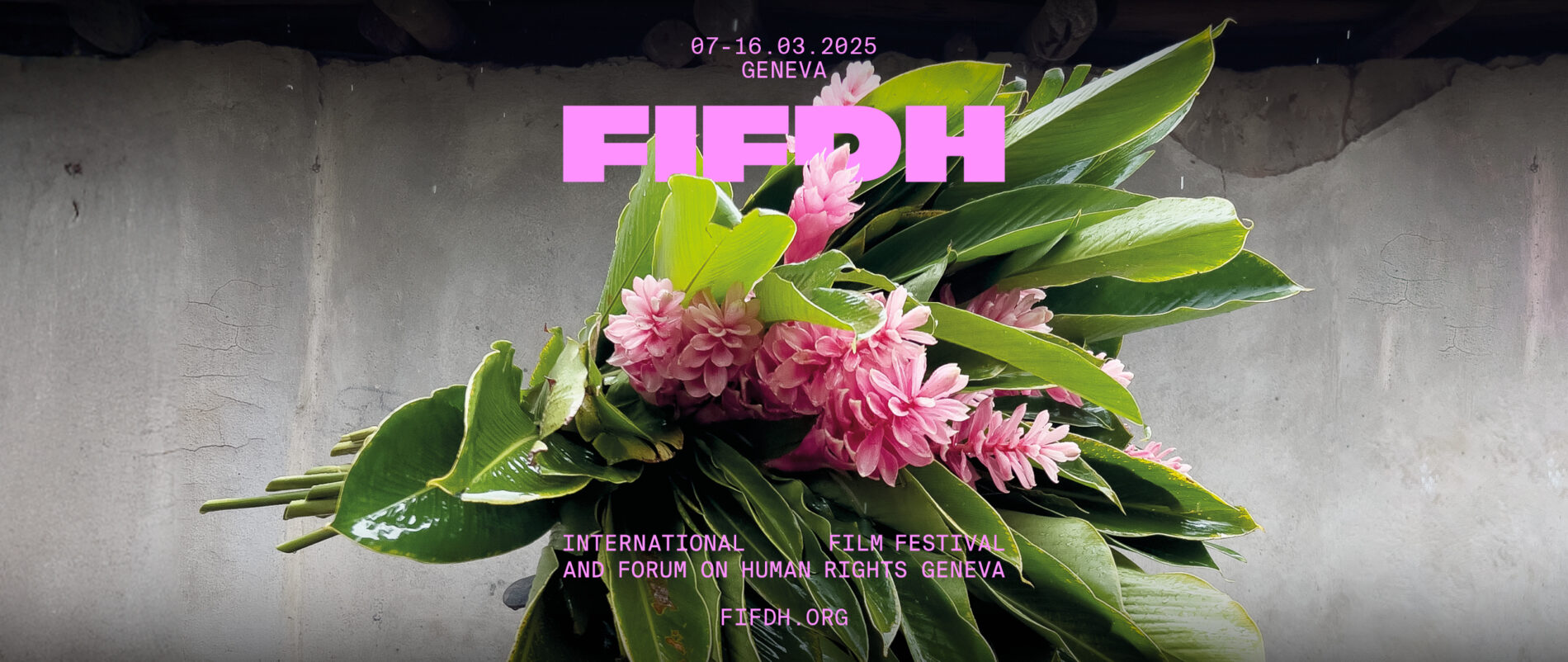
The 23rd edition of the Geneva International Film Festival and Forum on Human Rights (FIFDH) took place from 7 to 16 March 2025. Taking place in the margins of HRC58, this year’s edition featured the environment highly as the various films, exhibitions and conferences tackled the interlinkages between human rights issues and toxics, minerals and metals, Indigenous People’s rights, environmental (and) human rights defenders, and questions on economic growth, among others.
Impact Days
The FIFDH Impact Days bring together NGOs, filmmakers, impact practitioners, and funders to find joint strategies around common human rights themes, including on the environment. Taking place from 9 to 11 March 2024, the 7th edition of Impact Days featured documentary projects, with the goal of working with filmmakers to refine their impact goals, and facilitate partnerships within the vast ecosystem of organisations, policymakers and funders active around International Geneva. → Discover the program.
Events
Date and time of some events subject to change on the live-updated programme of work on Sched.


HRC58 Info-Sharing Session | Human Rights and the Environment
6 February 2025 | 10:00 – 11:00 CET | IEH1, Room 2 & Online, Webex

Organizational meeting for the 58th session of the Human Rights Council
10 February 2025 | 15:00 – 18:00 CET | Palais des Nations, Room XX & Online

Inscription on the lists of speakers | NGOs
18 February 2025 | 14:00 CET

Opening of the session followed by High-level segment
24 February 2025 | 9:00 CET onwards | Palais des Nations, Room XX & Online

Advancing the universal human right to a clean, healthy, and sustainable environment: taking stock and what next? | HRC58 Side Event
24 February 2025 | 14:30 – 15:30 CET | Palais des Nations, Room XXV
Costa Rica, Maldives, Morocco, Slovenia, Switzerland

Greenwashing in the desert: the impact of sustainable projects on Occupied Western Sahara | HRC58 Side Event
25 February 2025 | 13:00 – 14:00 CET | Palais des Nations, Room XXVII
Geneva support group for Western Sahara

Implementing Foreign Policy Goals with a Human Rights Lens: Advancing Equality through Multilateralism | HRC58 Side Event
25 February 2025 | 14:00 – 15:00 CET | Palais des Nations, Room XXV
Slovenia, Maldives, Morocco, Thailand, Spain, UN Women

Role of Due Diligence in Transnational Corporations and Human Rights Protection | HRC58 Side Event
28 February 2025 | 15:00 – 16:00 CET | Palais des Nations, Room XXV
Institute for Human Rights

Human Right to a Healthy Environment | HRC58 Side Event
4 March 2025 | 15:00 – 16:00 CET | Palais des Nations, Room XXV
International Action for Peace & Sustainable Development

Human rights defenders working in remote and rural areas | HRC58 Side Event
5 March 2025 | 12:00 – 13:00 CET | Palais des Nations, Room XXIV
Colombia & SR defenders

Human Rights in Brazil: Implementing the Special Rapporteur's Visit Report | HRC58 Side Event
5 March 2025 | 13:00 – 14:00 CET | Palais des Nations, Room XXIV
Instituto Brasileiro de Direitos Humanos

Interactive Dialogue with SR human rights defenders
5 March 2025 | 16:30 – 17:30 CET | Palais des Nations, Room XX & Online

Informal consultations on the draft resolution on the human right to a clean, healthy and sustainable environment
6 March 2025 | 13:30 – 15:00 CET | Palais des Nations, Room XXVII
Maldives, Costa Rica, Morocco, Slovenia & Switzerland

Informal consultations on the draft resolution on the human right to a clean, healthy and sustainable environment
7 March 2025 | 14:30 – 16:00 CET | Palais des Nations, Room XXVII
Maldives, Costa Rica, Morocco, Slovenia & Switzerland

Geneva International Film Festival and Forum on Human Rights | FIFDH 2025
7 to 16 March 2025

FIFDH Impact Days 2025
9 to 11 March 2025

Informal consultations on the draft resolution on the human right to a clean, healthy and sustainable environment
10 March 2025 | 9:00 – 10:30 CET | Palais des Nations, Room XXII
Maldives, Costa Rica, Morocco, Slovenia & Switzerland

Informal consultations on the draft resolution on human rights defenders
10 March 2025 | 10:30 – 12:00 CET | Palais des Nations, Room XXII & Online
Norway

Understanding the landscape of climate finance, debt, tax and illicit financial flows and human rights | HRC58 Side Event
10 March 2025 | 12:00 – 13:00 CET | Palais des Nations, Room XXII
IE foreign debt & Bahamas

Interactive Dialogue with IE foreign debt
10-11 March 2025 | 16:30 CET onwards | Palais des Nations, Room XX & Online

Informal consultations on the draft resolution on human rights defenders
11 March 2025 | 10:30 – 12:00 CET & 16:30 – 18:00 CET | Palais des Nations, Room XXII & Online
Norway

Informal consultations on the draft resolution on the human right to a clean, healthy and sustainable environment
10 March 2025 | 10:30 – 12:00 CET | Palais des Nations, Room XXV
Maldives, Costa Rica, Morocco, Slovenia & Switzerland

Interactive Dialogue with SR right to food
11 March 2025 | 11:00 CET onwards | Palais des Nations, Room XX & Online

Core Human Rights Principles for Private Conservation Organizations and Funders | HRC58 Side Event
12 March 2025 | 12:00 – 13:00 CET | Palais des Nations, Room XXII & Online
UNEP, ICCA Consortium, World Wildlife Fund, SR right to healthy environment, Women4Biodiversity, International Indian Treaty Council & GEN

Improving frontline HRDs' participation in the UN human rights system | HRC58 Side Event
12 March 2025 | 12:00 – 13:00 CET | Palais des Nations, Room XXV
Switzerland & Finland

Human Rights Impacts of Investor-State Dispute Settlement Mechanisms | HRC58 Side Event
12 March 2025 | 14:00 – 15:00 CET | Palais des Nations, Room XXV & Online
CIEL, Earthjustice & Human Rights Watch

Human Rights & Marine Protected Areas | Geneva Rights and Environment Talks
13 March 2025 | 9:30 – 10:30 CET | Palais des Nations, Room H-307.2 & Online
GeHRBiL, SR right to healthy environment, Earthjustice, Soka Gakkai International & GEN

The Threats of Deep-Sea Mining | Geneva Rights and Environment Talks | Dialogues on Mineral and Metal Resources
13 March 2025 | 10:30 – 11:30 CET | Palais des Nations, Room H-307.2 & Online
GeHRBiL, SR right to healthy environment, Earthjustice & GEN

Informal consultations on the draft resolution on the human right to a clean, healthy and sustainable environment
13 March 2025 | 10:30 – 12:00 CET | Palais des Nations, Room XXV
Maldives, Costa Rica, Morocco, Slovenia & Switzerland

The Function of the UNDROP in the Realization of the Right to Food: The Role of Peasant Women | HRC58 Side Event
13 March 2025 | 13:00 – 14:00 CET | Palais des Nations, Room XXII
Bolivia

Ocean Issues are Human Rights Issues | HRC58 Side Event
13 March 2025 | 14:00 – 15:00 CET | Palais des Nations, Room XXII & Online
SR right to healthy environment

How the Right to Food Can Prevent Starvation and Combat Climate Change
13 March 2025 | 18:00 – 20:00 CET | Maison de la Paix | Auditorium Ivan Pictet
FIAN International, Geneva Graduate Institute, Agrifood Collective, MENA Initiative, LANI Initiative

How Are Findings and Recommendations of “Treaty Bodies” Implemented and Made Effective? The Aarhus Convention Compliance Procedure
13 March 2025 | 18:30 – 20:30 CET | Villa Moynier
Geneva Human Rights Platform & Earthjustice

Interactive Dialogue with SR human right to healthy environment
14 March 2025 | 10:30 CET onwards | Palais des Nations, Room XX & Online

Presentation of SG/HC thematic reports and the IGWG on TNCs
14 March 2025 | 15:30 CET onwards | Palais des Nations, Room XX & Online

Towards the Third UN Ocean Conference: Human Rights Obligations in Relation to Ecosystems and Their Biomes | HRC58 Side Event & Geneva Rights and Environment Talks
14 March 2025 | 13:00 – 14:00 CET | Palais des Nations, Room XXV & Online
Earthjustice, GeHRBiL, SR right to healthy environment & GEN

Launch of the Fifth Phase of the World Programme for Human Rights Education | HRC58 Side Event
14 March 2025 | 13:00 – 14:00 CET | Palais des Nations, Room XXII
OHCHR

Informal Briefing | OHCHR-UNEP collaboration to advance the right to a clean, healthy and sustainable environment
14 March 2025 | 14:00 – 15:00 CET | Palais des Nations, Room XXVI
OHCHR & UNEP

Informal consultations on the draft resolution on the human right to a clean, healthy and sustainable environment
14 March 2025 | 16:30 – 18:00 CET | Palais des Nations, Room XXII
Maldives, Costa Rica, Morocco, Slovenia & Switzerland

Environmental Impact Assessments: Consultation with the SR on her next report | Geneva Rights and Environment Talks
15 March 2025 | 10:00 – 12:00 CET | International Service for Human Rights Office & Online
ISHR, Earthjustice & SR right to healthy environment

Informal consultations on the draft resolution on human rights defenders
17 March 2025 | 10:30 – 12:00 CET | Palais des Nations, Room XXII & Online
Norway

Sustainable Development Goals and Human Rights | HRC58 Side Event
17 March 2025 | 11:00 – 12:00 CET | Palais des Nations, Room XXV
China Society for Human Rights Studies

Local and Regional Governments as Key Actors in Advancing Human Rights and the SDGs | HRC58 Side Event
17 March 2025 | 13:00 – 14:00 CET | Palais des Nations, Room XXII
Paraguay, Italy, Geneva Human Rights Platform, Global Cities Hub and Università di Bologna

Inclusive Sustainability: Gender empowerment in our world | HRC58 Side Event
17 March 2025 | 13:00 – 14:45 CET | Palais des Nations, Building H, Amphitheatre H200
UN-Habitat, TSF UrbaNature, CLAFG, and The Geneva Consensus Foundation

Human Rights at Sea | Geneva Rights and Environment Talks
17 March 2025 | 14:00 – 15:00 CET | Palais des Nations, Room H-307.2 & Online
GeHRBiL, SR right to healthy environment, Earthjustice & GEN

Ocean Defenders and Communities at Risk | Geneva Rights and Environment Talks
17 March 2025 | 15:00 – 16:00 CET | Palais des Nations, Room H-307.2 & Online
GeHRBiL, Geneva Roadmap 40/11, SR right to healthy environment, Earthjustice & GEN

Will the Ocean remain blue? How marine pollution violates fundamental rights | Geneva Rights and Environment Talks
17 March 2025 | 16:00 – 17:00 CET | Palais des Nations, Room H-307.2 & Online
GeHRBiL, SR right to healthy environment, Earthjustice & GEN

Informal consultations on the draft resolution on human rights defenders
18 March 2025 | 10:30 – 12:00 CET | Palais des Nations, Room XXII & Online
Norway

Informal consultations on the draft resolution on the human right to a clean, healthy and sustainable environment
19 March 2025 | 9:00 – 10:30 CET | Palais des Nations, Room XXIV
Maldives, Costa Rica, Morocco, Slovenia & Switzerland

Informal consultations on the draft resolution on the human right to a clean, healthy and sustainable environment
20 March 2025 | 10:30 – 12:00 CET | Palais des Nations, Room XXIV
Maldives, Costa Rica, Morocco, Slovenia & Switzerland

Launch of the Commentary to the Maastricht Principles on the Human Rights of Future Generations
20 March 2025 | 18:30 – 20:00 CET | Villa Moyner & Online
CIEL, FIAN, Geneva Human Rights Platform & World Future Council

Draft Proposals | Submission Deadline
21 March 2025 | 13:00 CET

Human Rights and Nuclear Disarmament | HRC58 Side Event
27 March 2025 | 14:00 – 15:00 CET | Palais des Nations, Room XXII
Kazakhstan

Right to Food in Development Cooperation | HRC58 Side Event
1 April 2025 | 11:00 – 12:00 CEST | Palais des Nations, Room XXV & Online
Global Institute for Water, Environment and Health

Environmental rights and the impact of landmines | HRC58 Side Event
1 April 2025 | 13:00 – 14:00 CEST | Palais des Nations, Room XXV & Online
Azerbaijan

Climate Justice and Human Rights | HRC58 Side Event
1 April 2025 | 13:00 – 14:00 CEST | Palais des Nations, Room XXV & Online
Green and Better World

Decisions and Conclusions
2 – 4 April 2025 | 12:00 CEST onwards | Palais des Nations, Room XX & Online
Reports
Reports to be presented at HRC58 relating to the global environmental agenda are listed below. The full list of reports can be consulted on the HRC website.
- A/HRC/58/40 | Panel discussion on ensuring livelihood resilience in the context of the risk of loss and damage relating to the adverse effects of climate change for achieving progressively the full realization of all human rights and ways forward to address the challenges thereto on the basis of equity and climate justice | Report of the United Nations High Commissioner for Human Rights
- A/HRC/58/46 | Report on the tenth session of the open-ended intergovernmental working group on transnational corporations and other business enterprises with respect to human rights
- A/HRC/58/48 | The right to food, finance and national action plans | Report of the Special Rapporteur on the right to food
- A/HRC/58/48/Add.1 | Visit to Venezuela | Report of the Special Rapporteur on the right to food
- A/HRC/58/51 | Understanding the landscape of climate finance, debt, tax and illicit financial flows and human rights | Report of the Independent Expert on the effects of foreign debt and other related international financial obligations of States on the full enjoyment of all human rights, particularly economic, social and cultural rights
- A/HRC/58/51/Add.1 | Visit to Angola | Report of the Independent Expert on the effects of foreign debt and other related international financial obligations of States on the full enjoyment of all human rights, particularly economic, social and cultural rights
- A/HRC/58/53 | Out of sight: human rights defenders working in isolated, remote and rural contexts | Report of the Special Rapporteur on the situation of human rights defenders
- A/HRC/58/53/Add.1 | Visit to Algeria | Report of the Special Rapporteur on the situation of human rights defenders
- A/HRC/58/53/Add.2 | Visit to Brazil | Report of the Special Rapporteur on the situation of human rights defenders
- A/HRC/58/59 | The ocean and human rights | Report of the Special Rapporteur on the human right to a clean, healthy and sustainable environment
- A/HRC/58/59/Add.1 | Visit to Maldives | Report of the Special Rapporteur on the human right to a clean, healthy and sustainable environment
Resolutions and Decisions
Resolutions and decisions (found on the HRC58 website) relating to the global environmental agenda tabled or adopted by their main sponsors at HRC58 and their subsequent decisions are listed below.
- A/HRC/RES/58/3 | The negative impact of unilateral coercive measures on the enjoyment of human rights | Russian Federation, Uganda (on behalf of the Movement of Non-Aligned Countries) | Adopted (Yes 28 | No 16 | 3 Abstentions)
- Deeply disturbed by the negative impact of unilateral coercive measures on the right to life, […] as well as the right to development and the right to a clean, health (sic) and sustainable environment
- Expresses its deep concern over the increasing negative effects of unilateral coercive measures on the environment and natural resources, leading to serious violations of human rights of targeted populations, and strongly condemns the continued unilateral application of such measures, which result in various environmental transboundary and transgenerational implications for present and future generations;
- A/HRC/RES/58/4 | Cultural rights and the protection of cultural heritage | Albania, Armenia, Australia, Austria, Belgium, Bulgaria, Burundi, Canada, Chile, Costa Rica, Croatia, Cyprus, Czechia, Denmark, Ecuador, Estonia, Ethiopia, Finland, France, Georgia, Germany, Greece, Guatemala, Hungary, Iceland, Iraq, Ireland, Italy, Latvia, Lithuania, Luxembourg, Malaysia, Mali, Malta, Marshall Islands, Mexico, Monaco, Mongolia, Montenegro, Netherlands (Kingdom of the), New Zealand, North Macedonia, Paraguay, Peru, Poland, Portugal, Republic of Moldova, Romania, Samoa, San Marino, Serbia, Slovakia, Slovenia, Spain, Sweden, Switzerland, Thailand, Ukraine and United Arab Emirates | Adopted without a vote
- Reaffirming that safeguarding the enjoyment of cultural rights may form a crucial part of the response to many current global challenges, among others the adverse effects of climate change and the scourge of terrorism
- A/HRC/RES/58/9 | Question of the realization in all countries of economic, social and cultural rights | Albania, Armenia, Australia, Austria, Belgium, Bulgaria, Burundi, Canada, Chile, Costa Rica, Croatia, Cyprus, Czechia, Denmark, Ecuador, Estonia, Ethiopia, Finland, France, Georgia, Germany, Greece, Guatemala, Hungary,
Iceland, Iraq, Ireland, Italy, Latvia, Lithuania, Luxembourg, Malaysia, Mali, Malta, Marshall Islands, Mexico, Monaco, Mongolia, Montenegro, Netherlands (Kingdom of the), New Zealand, North Macedonia, Paraguay, Peru, Poland, Portugal, Republic of Moldova, Romania, Samoa, San Marino, Serbia, Slovakia, Slovenia, Spain, Sweden, Switzerland, Thailand, Ukraine and United Arab Emirates | Adopted without a vote- Recognizing with concern the adverse impacts of climate change, particularly on climate-vulnerable countries, including Small Island Developing States, which undermine the enjoyment of human rights, including economic, social and cultural rights, and stressing the need for scaled-up climate finance, in accordance with the United Nations Framework Convention on Climate Change and the Paris Agreement to support adaptation and mitigation measures and to address loss and damage
- Deeply concerned also with the emergence of unsustainable debt burdens and excessive debt servicing costs, which may compromise government expenditure in public services and social protection , and recognizing the importance of ensuring that commitments arising from public and foreign debt do not impede States’ abilities to meet their obligations to respect, protect and fulfil human rights, including economic, social and cultural rights
- Acknowledging that further reform of the international financial architecture is an important step to mobilize additional public and private financing for the Sustainable Development Goals, particularly in developing countries, reducing inequalities and allowing States to prioritize the mobilization and allocation of resources to uphold economic, social and cultural rights
- Stresses the importance of providing and mobilizing sustainable, affordable, accessible, transparent, adequate and predictable development finance from all sources and the required means of implementation to developing countries and of creating a more enabling environment at the global, regional and national levels to increase the mobilization of domestic resources, which contribute to the realization of economic, social and cultural rights, recognizing the instrumentality of financing for development and climate finance to this effect, as well as the importance of fulfilling Official Development Assistance commitments;
- Urges States to engage in a strengthened multilateral response to support countries with unsustainable debt burdens […]
- A/HRC/RES/58/10 | Mandate of the Special Rapporteur on the right to food | Algeria, Andorra, Armenia, Belarus, Belgium, Bolivia (Plurinational State of),
Brazil, Burundi, Chile, Colombia, Croatia, Cuba, Cyprus, Democratic People’s Republic of Korea, Ecuador, Egypt, Eritrea, Estonia, Ethiopia, Finland, France, Gambia, Germany, Greece, Iceland, Iran (Islamic Republic of), Ireland, Italy, Kenya, Luxembourg, Malawi, Malaysia, Malta, Mexico, Monaco, Netherlands (Kingdom of the), Norway, Paraguay, Portugal, Samoa, South Africa, Spain, State of Palestine, Sweden, Switzerland, Thailand, Tunisia, Venezuela (Bolivarian Republic of), Yemen and Zimbabwe | Adopted without a vote- Decides to extend the mandate of Special Rapporteur for a period of three years to enable the mandate holder to continue to work in accordance with the mandate established by the Human Rights Council in its resolution 6/2 of 27 September 2007
- A/HRC/RES/58/12 | Effects of foreign debt and other related international financial obligations of States on the full enjoyment of all human rights, particularly economic, social and cultural rights | Algeria, Andorra, Armenia, Belarus, Belgium, Bolivia (Plurinational State of), Brazil, Burundi, Chile, Colombia, Croatia, Cuba, Cyprus, Democratic People’s Republic of Korea, Ecuador, Egypt, Eritrea, Estonia, Ethiopia, Finland, France, Gambia, Germany, Greece, Iceland, Iran (Islamic Republic of), Ireland, Italy, Kenya, Luxembourg, Malawi, Malaysia, Malta, Mexico, Monaco, Netherlands (Kingdom of the), Norway, Paraguay, Portugal, Samoa, South Africa, Spain, State of Palestine, Sweden, Switzerland, Thailand, Tunisia, Venezuela (Bolivarian Republic of), Yemen and Zimbabwe | Adopted (Yes 29 | No 12 | 6 Abstentions)
- Emphasizing the interconnectedness of debt sustainability, climate action and the realization of human rights, particularly in climate-vulnerable States, and recognizing the imperative to adopt integrated approaches that leverage climate finance to address both debt burdens and climate-related challenges, ensuring that climate investments contribute to long-term resilience and the fulfillment of economic, social and cultural rights
- A/HRC/RES/58/16 | The human right to a clean, healthy and sustainable environment: Ocean and Human Rights | Albania, Austria, Belgium, Bulgaria, Chile, Costa Rica, Croatia, Cyprus, Czechia, Democratic Republic of the Congo, Finland, France, Germany, Ireland, Italy, Luxembourg, Malawi, Maldives, Malta, Marshall Islands, Monaco, Mongolia, Montenegro, Morocco, North Macedonia, Portugal, Republic of Moldova, Romania, Slovakia, Slovenia, Spain and Ukraine | Adopted without a vote
- Emphasizing the importance of States to take decisive action to address plastic pollution, throughout the full life cycle of plastic, including in the marine environment, and highlighting the specific and severe impacts of plastic pollution, climate change, and biodiversity loss on the ocean, which jeopardize the realisation of human rights, including the human right to a clean, healthy and sustainable environment, while underscoring the transboundary nature of plastic pollution and the need for enhanced global cooperation to effectively address this crisis
- Reaffirming Human Rights Council resolution 40/11 of 21 March 2019, in which the Council recognized the positive, important and legitimate role played by human rights defenders in the promotion and protection of human rights, including the human right to a clean, healthy and sustainable environment, and deeply concerned that human rights defenders working in environmental matters, referred to as environmental human rights defenders, are among the human rights defenders most exposed and at risk
- Noting international instruments, such as the UNECE Convention on Access to Information, Public Participation in Decision-making and Access to Justice in Environmental Matters (The Aarhus Convention) and the Regional Agreement on Access to Information, Public Participation and Justice in Environmental Matters in Latin America and the Caribbean (the Escazu Agreement)
- Acknowledging that the global nature of climate change requires the broadest possible cooperation among all countries and their participation in an effective and equitable international response, in line with the principles outlined in Article 3 of the United Nations Framework Convention on Climate Change, and recalling Article 2.2 of the Paris Agreement, which are essential for addressing climate change and environmental issues in a fair and just manner, in accordance with national circumstances.
- Noting with satisfaction that States have recognized that the ocean, seas and coastal areas form an integrated and essential component of the Earth’s ecosystem and are critical to ensure its sustainability, and that international law…
- Reaffirming that the protection and preservation of the ocean are crucial for the full enjoyment of human rights for all, as are the understanding of the importance of the ocean in matters of addressing pollution, mitigating climate change, strengthening biodiversity and ecosystems, and ensuring sustainable food security and renewable energy
- 4 Encourages States to constructively engage in the United Nations Ocean Conference, to take place in Nice, France, in June 2025, and to consider the human right to a clean, healthy and sustainable environment in its proceedings and outcomes
- 5 Calls upon States
- (h) To implement, in all their activities, the precautionary principle or precautionary approach, as appropriate, for the effective protection of marine and coastal ecosystems;
- (j) To respect and promote the knowledge of Indigenous Peoples, in line with their free, prior and informed consent, as well as the traditional knowledge of local communities and local knowledge systems in ocean governance
- 6 Encourages States
- (o) To ratify the Agreement under the United Nations Convention on the Law of the Sea on the Conservation and Sustainable Use of Marine Biological Diversity of Areas beyond National Jurisdiction
- A/HRC/RES/58/22 | The impact of anti-personnel mines on the full enjoyment of all human rights | Albania, Algeria, Azerbaijan, Colombia, Croatia, Cyprus, France, Guatemala, Luxembourg, Malawi, Monaco, Montenegro, Mozambique, Peru, Portugal, Samoa, South Africa, Spain, United Kingdom of Great Britain and Northern Ireland and Vanuatu | Adopted without a vote
- Reaffirming the determination to put an end to the suffering and casualties caused by anti-personnel mines, which kill or maim thousands of people every year, and which impede sustainable development, and cause harm to ecosystems, including loss of biodiversity, soil degradation, and water contamination, negatively impacting a clean, healthy and sustainable environment
- Recognizing the severe impact of anti-personnel mines on the enjoyment of the civil, political, economic, social, and cultural rights of individuals, especially survivors of anti-personnel mine explosions, particularly in developing countries who often face significant barriers in accessing essential medical care, rehabilitation services, environmental remediation and opportunities for social and economic reintegration, as well as for affected communities, as mine contamination prevents the use of large areas of land, compromising agricultural production, food security, and destroying livelihoods.
- A/HRC/RES/58/23 | Human rights defenders and new and emerging technologies: protecting human rights defenders, including women human rights defenders, in the digital age | Albania, Andorra, Armenia, Australia, Austria, Belgium, Bulgaria, Chile, Colombia, Costa Rica, Croatia, Cyprus, Czechia, Denmark, Ecuador, Estonia, Finland, France, Germany, Greece, Guatemala, Honduras, Hungary, Iceland, Ireland, Italy, Latvia, Liechtenstein, Lithuania, Luxembourg, Malawi, Malta, Marshall Islands, Mexico, Monaco, Mongolia, Montenegro, Netherlands (Kingdom of the), New Zealand, North Macedonia, Norway, Peru, Poland, Portugal, Republic of Moldova, Romania, San Marino, Slovakia, Slovenia, Spain, Sweden, Switzerland and Ukraine | Adopted without a vote
- Alarmed at the killing, kidnapping, enforced disappearance, arbitrary detention, torture, harassment, intimidation, criminalization and judicial harassment of, and the smear campaigns, violence, including sexual and gender-based violence, and threats both online and offline used against, human rights defenders, including women, environmental and Indigenous or their family members, associates and legal representatives
- Strongly condemns the violence against and the criminalization, intimidation, attacks, torture, enforced disappearance and killing of, and all other human rights violations or abuses online and offline against, human rights defenders, including women, environmental and Indigenous human rights defenders, by State and non-State actors, stresses the need to combat impunity by ensuring that those responsible for violations and abuses against human rights defenders, or against their legal representatives, associates and family members, are promptly brought to justice through impartial and independent investigations, and underlines that ensuring accountability is a key element in preventing future violations and abuses of international human rights;
A summary of actions on the resolutions will be provided by the Geneva Centre for Human Rights Advancement and Global Dialogue.
Call for Submissions
Special Procedures
The special procedure mandate-holders are independent human rights experts who help advance human rights, by reporting and advancing from a country-specific or thematic perspective, some of which are related to the environment. Calls for submissions are made to help mandate-holders prepare their reports to the Human Rights Council.
Videos and Highlights
Videos and highlights of related events are featured in this section.
24 February | Advancing the universal human right to a clean, healthy, and sustainable environment: taking stock and what next?
10 March | Understanding the landscape of climate finance, debt, tax and illicit financial flows and human rights
12 March | Core Human Rights Principles for Private Conservation Organizations and Funders | HRC58 Side Event
12 March | Human Rights Impacts of Investor-State Dispute Settlement Mechanisms | HRC58 Side Event
13 March | Human Rights and Marine Protected Areas | Geneva Rights and Environment Talks
13 March | The Threats of Deep-Sea Mining | Geneva Rights and Environment Talks | Dialogues on Mineral and Metal Resources
13 March | Ocean Issues are Human Rights Issues | HRC58 Side Event
13 March | How Are Findings and Recommendations of “Treaty Bodies” Implemented and Made Effective?
14 March | Towards the Third UN Ocean Conference: Human Rights Obligations in Relation to Ecosystems and Their Biomes | HRC58 Side Event & Geneva Rights and Environment Talks
17 March | Human Rights at Sea | Geneva Rights and Environment Talks
17 March | Ocean Defenders and Communities at Risk | Geneva Rights and Environment Talks
17 March | Will the Ocean Remain Blue? How Marine Pollution Violates Fundamental Rights | Geneva Rights and Environment Talks
1 April | Climate Justice and Human Rights | HRC58 Side Event
4 April | Closing
Links and Resources
- 58th session of the UN Human Rights Council
- UNOG Library | Conference Primer – HRC58
- GCHRAGD | Updates on HRC58
- ISHR | HRC58 | Key issues on agenda
- URG | Inside Track: HRC58
- GEN | Human Rights and the Environment
News and Updates
Relevant news and updates are featured in this section.
Past HRC Sessions
Environment @ HRC57 | Environment @ HRC56 | Environment @ HRC55 | Environment @ HRC54 | Environment @ HRC53 | Environment @ HRC52 | Environment @ HRC51 | Environment @ HRC50 | Environment @ HRC49 | Environment @ HRC48 | Environment @ HRC47 | Environment @ HRC46 | Environment @ HRC45 | Environment @ HRC44 | Environment @ HRC43
Who to Follow on X
@UN_HRC | UN Human Rights Council
@swiss_un | Permanent Mission of Switzerland to the United Nations Office and other international organizations in Geneva, President of the Human Rights Council in 2025
@SwissAmbUN_GVA | H.E. Amb. Jürg Lauber, Permanent Representative of Switzerland to the United Nations Office and other international organizations in Geneva, President of the Human Rights Council in 2025
@BDPM_Geneva | Permanent Mission of the People’s Republic of Bangladesh to the United Nations Office and other international organizations in Geneva
@TareqMdArifulI1 | H.E. Amb. Tareq Md. Ariful Islam, Permanent Representative of the People’s Republic of Bangladesh to the United Nations Office and other international organizations in Geneva, Vice-President of the Human Rights Council in 2025
@UNHumanRights | The Office of the High Commissioner for Human Rights (UN Human Rights)
@volker_turk | UN High Commissioner for Human Rights
@NadaNashif | United Nations Deputy High Commissioner for Human Rights
@SREnvironment | Astrid Puentes Riaño, SR on the right to a clean, healthy, and sustainable environment (also @astridpuentes)
@SRclimatechange | Elisa Morgera, SR on the promotion and protection of human rights in the context of climate change
@SRtoxics | Marcos Orellana, SR on toxics and human rights
@RelatorDd | José Francisco Calí Tzay, SR indigenous peoples
@SRWatSan | Pedro Arrojo Agudo, SR on rights to water and sanitation
@MichaelFakhri | Michael Fakhri, SR on right to food
@AXanthaki | Alexandra Xanthaki, SR on cultural rights
@SRpoverty | Olivier De Schutter, SR on poverty and human rights (also @DeSchutterO)
@ISHRglobal | The International Service for Human Rights
@FranciscansIntl | Franciscans International
@Geneva_Academy | Geneva Academy of International Humanitarian Law and Human Rights
@hrw | Human Rights Watch
@URGthinktank | Universal Rights Group (URG)
@YvesLador | Special Representative of Earthjustice in Geneva
@duycks | Senior Attorney – Climate and Energy Programme at the Center for International Environmental Law
@katha_nina | Katharina Rall, Senior Environment Researcher at Human Rights Watch
@ChildRightsCnct | Child Rights Connect
@CERI_Coalition | Children’s Environmental Rights Initiative (CERI)
@CRINwire | Child Rights International Network